
DESCRIPTION OF CINNAMON TREE AND CINNAMON BARK
– Cinnamon Tree: Cinnamon is a woody tree, approximately 10–20 m tall, with smooth bark. Its leaves are alternate, short-petioled, fragile, with pointed or slightly blunt tips, and three arcuate veins on the underside. The upper surface of the leaves is dark green and glossy. Cinnamon flowers grow in clusters, appearing at leaf axils or branch tips, and are white in color. Fruits are brownish-purple, ovoid, and smooth. Flowering typically occurs from June to August, and fruits mature from October to March of the following year.
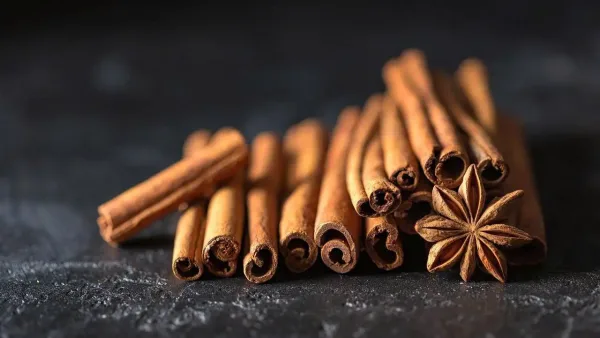
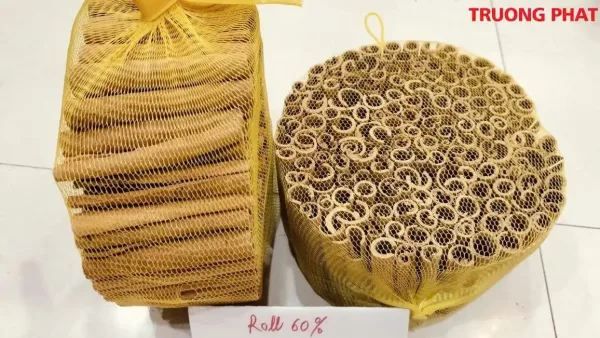
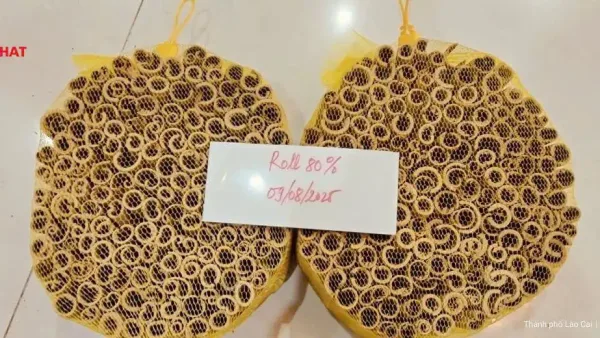
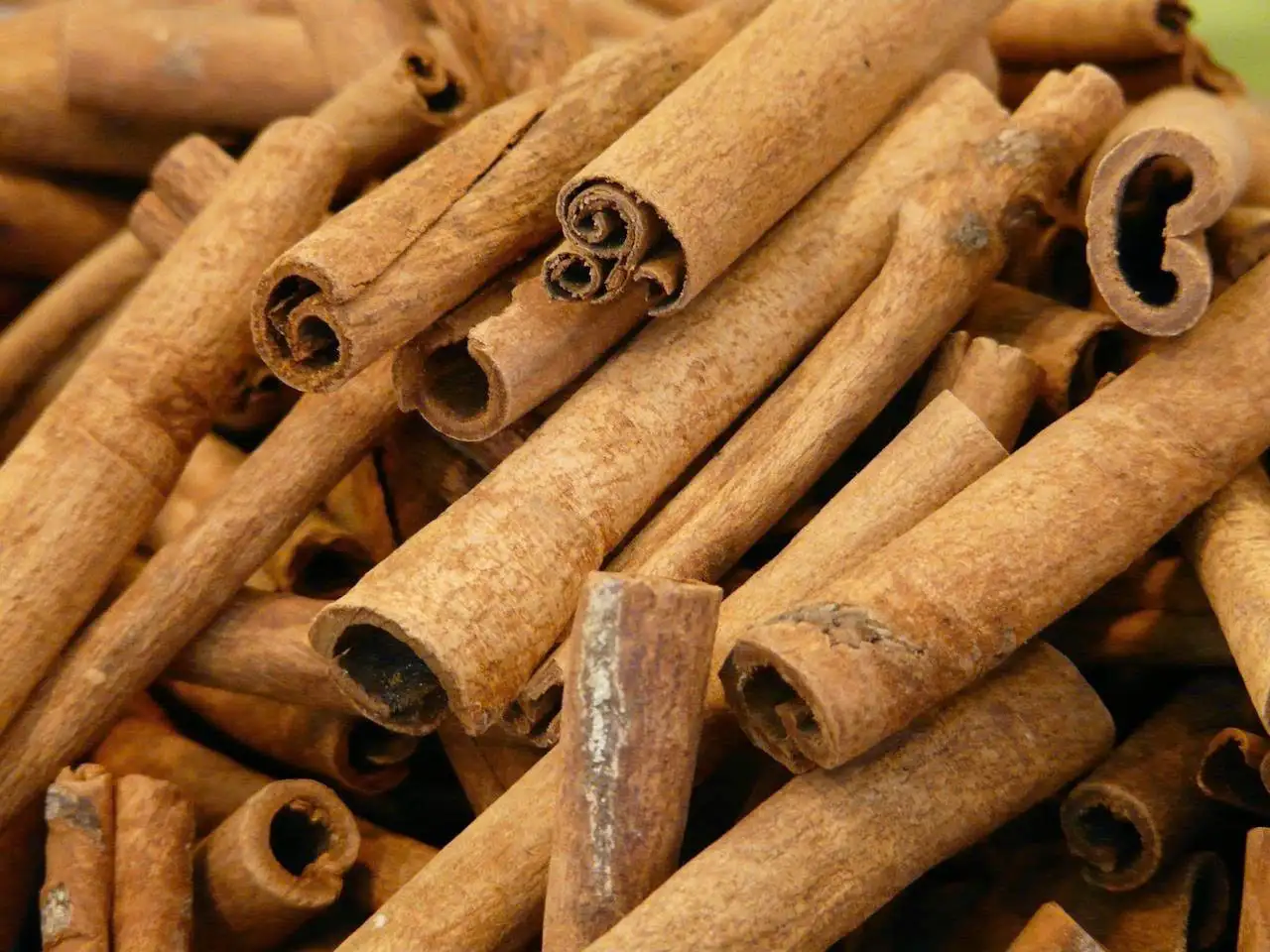
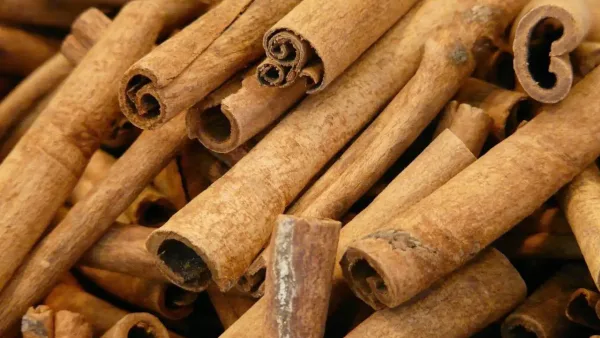
– Cinnamon Bark (Medicinal Material): The bark is either rolled into cylindrical shapes, 1.5–5 cm in diameter and 25–40 cm long, or in curved strips approximately 3–5 cm wide. The outer surface is gray-brown, while the inner surface is reddish-brown or dark brown. It is brittle, easily broken, with few fibers. The bark has a strong aromatic scent and a spicy-sweet taste. When soaked in water, the cut surface reveals distinct white rings of hard tissue.
– Cultural and Economic Value: Cinnamon is a product of both economic and cultural significance, naturally gifted to many mountainous regions in Vietnam, including Yen Bai, Tuyen Quang, Quang Nam, Thanh Hoa, and others.
HARVESTING AND PREPARATION OF CINNAMON BARK
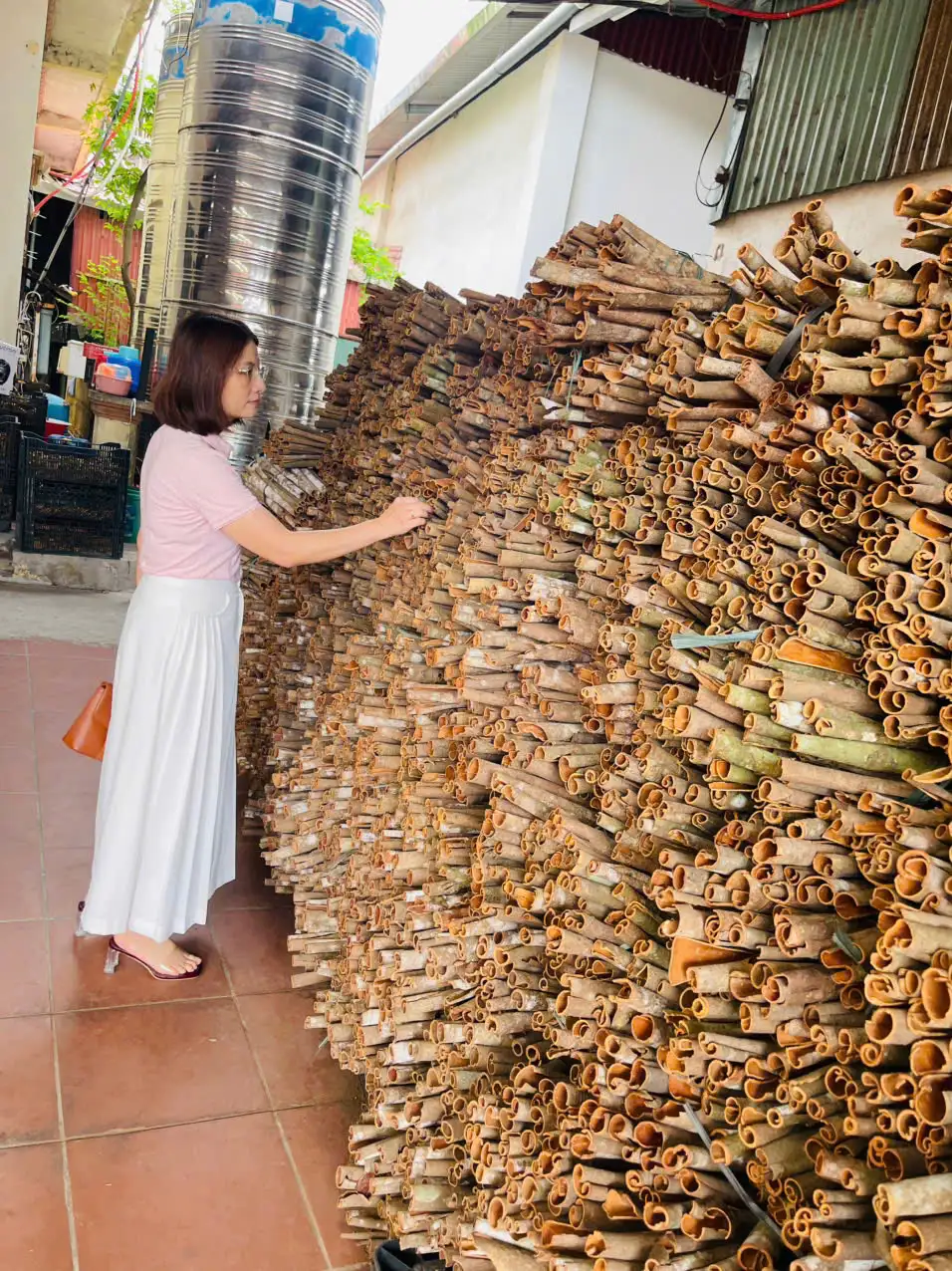
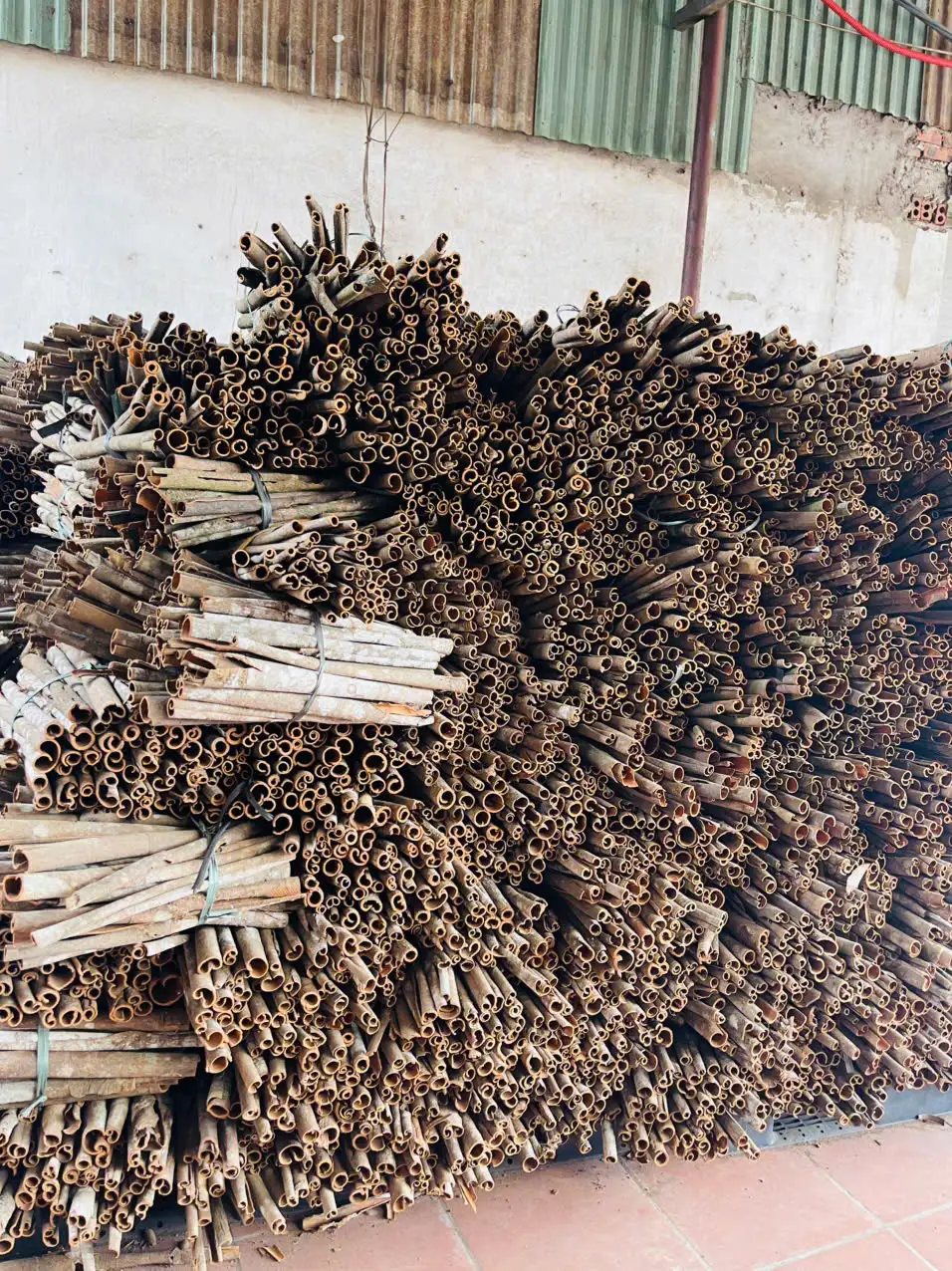
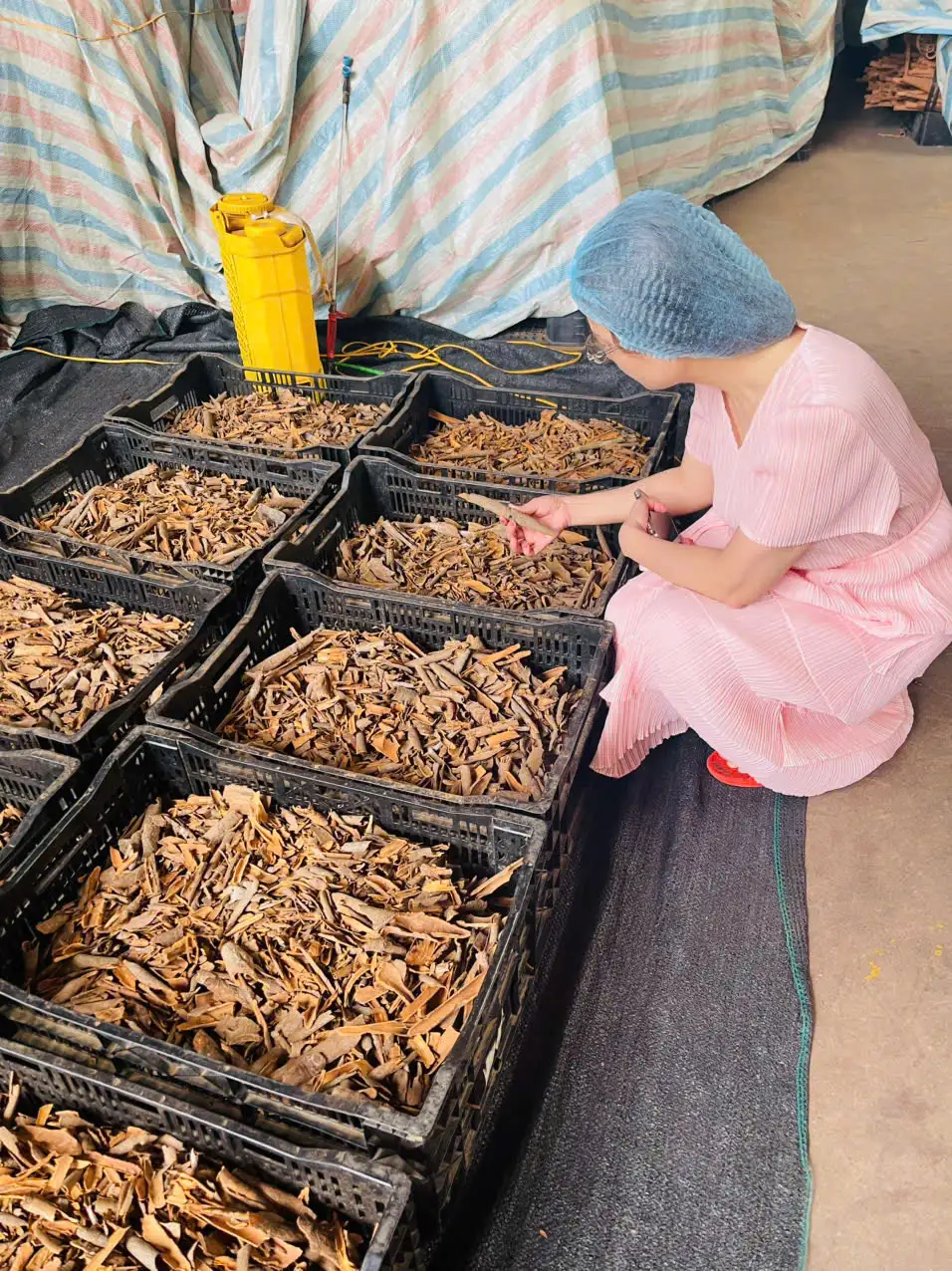
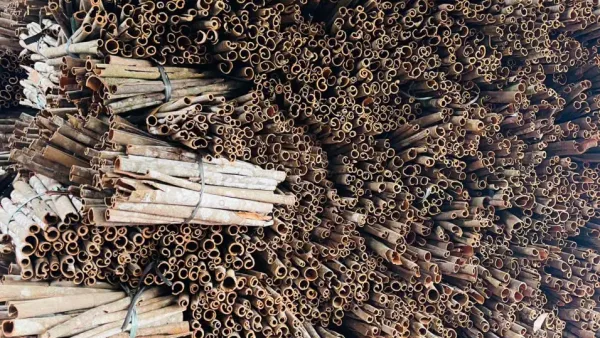
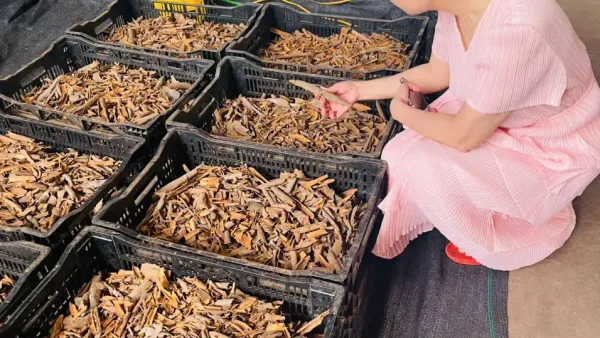
– Cinnamon is harvested in the summer or autumn. The bark is then either fermented or left whole in a shaded, well-ventilated area to dry gradually, or it can be sun-dried.
CINNAMON GROWING REGIONS IN VIETNAM
In Vietnam, cinnamon is grown in many areas, with four major regions: Trà My, Yên Bái, Quảng Ninh, and Yên Phong.
Trà My – Trà Bồng Cinnamon Region
Located in Quang Nam province, Trà My and Trà Bồng are two districts with high cinnamon production. Cinnamon from Quang Nam is considered one of the best-quality varieties in Vietnam. The cinnamon trees here not only help reforest bare hills but also provide significant economic benefits to local communities.
Typical communes with large cinnamon plantations include Trà Thủy, Trà Bồng, Trà Mai, Trà My, Trà Quân, Trà Hiệp, Trà Giác, Trà Long, and others.
Local ethnic communities such as Cà Toong, Cà Tu, and Bu have long been associated with cinnamon cultivation, which provides additional income, supports household economic development, and helps the communities achieve a better standard of living.
Yên Bái Cinnamon Region
The Yên Bái cinnamon region is currently the largest producer of cinnamon for spice purposes in Vietnam. Four districts—Văn Yên, Văn Chấn, Văn Bàn, and Trấn Yên—account for over 70% of the province’s annual cinnamon output.
Other districts with notable production include Đại Sơn, Viễn Sơn, Xuân Tầm, Phong Dụ, and Châu Quế.
Yên Phong and Thường Xuân Cinnamon Region
This region spans administrative areas in Nghệ An and Thanh Hóa provinces. In Nghệ An, it includes the districts of Quế Phong and Quỳ Châu.
In Thanh Hóa, it includes Thường Xuân and Ngọc Lạc districts.
Cinnamon trees planted by the local Kinh, Mường, Mán, and Thái communities help reforest the land, provide economic benefits to the region, and contribute to household economic stability for local families.
Quảng Ninh Cinnamon Region
Quảng Ninh province is also one of Vietnam’s major cinnamon-growing areas, known for both high production and quality.
Cinnamon from Quảng Ninh serves domestic consumption and is exported to many countries worldwide.
The districts of Hà Cối, Đầm Hòa, Tiên Yêu, Hải Ninh, and Bình Liêu are the main areas with concentrated cinnamon plantations.
HEALTH BENEFITS OF CINNAMON BARK
– The bark of cinnamon trees, including trunk and branch bark, is harvested for use in traditional Eastern medicine, as a spice, and as an herbal ingredient for skincare. Cinnamon leaves can be used for essential oil distillation, while cinnamon wood is used in handicrafts and interior decoration.
– Cinnamon bark contains vitamins and minerals such as vitamin A, niacin, pantothenic acid, pyridoxine, calcium, potassium, manganese, iron, zinc, and magnesium. In addition, it is rich in dietary fiber and antioxidants.
– It is estimated that 1 tablespoon of cinnamon contains up to 1.4 mg of manganese, which accounts for nearly 75% of the recommended daily intake (RDI: 2 mg).
– Cinnamon has been traditionally used for its antifungal, analgesic, and antiseptic properties, and for treating diarrhea, colds, stomachaches, high blood pressure, loss of appetite, and bronchitis. It has also been used for internal bleeding.
Some studies suggest that cinnamon may help lower blood sugar levels in people with diabetes. Other research indicates it may have anti-inflammatory, antioxidant, and antibacterial properties. However, these findings have not yet been fully applied in human medical treatment.
FOOD AND DRINKS USING CINNAMON AS A SPICE
– Cinnamon-Ginger Drink
Cinnamon-Ginger Drink is a popular beverage often included in detox drink lists. It has a warm, aromatic, and spicy flavor from cinnamon and ginger, which helps stimulate the body’s natural detoxification processes.
This drink can be served hot or cold, and adding a slice of lemon enhances its aroma and taste.
Ingredients and Preparation (for 500 ml):
3 small cinnamon sticks (approximately 30 g). 100 g rock sugar, 10 g ginger. Fresh lemon. 500 ml water. For larger quantities, simply adjust the ingredients proportionally. The sugar amount above is suitable for most people; adjust to taste if you prefer a less sweet drink.
Boil the water, then add the cleaned ginger and cinnamon sticks. Simmer until the aroma of cinnamon and ginger fills the air.
Add lemon slices only when drinking to avoid bitterness.
Cinnamon-Ginger Drink offers numerous health benefits and is a popular choice as a detox beverage
It can help burn fat, detoxify the body, relieve menstrual pain, and boost immunity.
– Red Date Cinnamon Drink
For those who have difficulty sleeping, high blood sugar, or elevated cholesterol levels, Red Date Cinnamon Drink is an excellent choice.
Drinking it hot is very beneficial for health, and the preparation is simple and easy.
Ingredients:
Cinnamon 30–35 g
Red dates 20 pieces
Rock sugar 100 g
Water 800 ml
Wash the cinnamon and red dates thoroughly and drain. Add the red dates and cinnamon to the water and bring to a boil until the water takes on the color of the dates and the aroma of cinnamon is released. Add sugar, simmer on low heat until fully dissolved, then remove from heat and let cool.
Remove the cinnamon and dates, pour the drink into a thermos to enjoy hot, or serve with ice. If serving with ice, add an additional 50 g of sugar during cooking.
– Cinnamon Honey Drink
Among cinnamon-based beverages, preparing it with honey is extremely simple and easy, making it a popular choice for detox drinks that are good for health.
Cinnamon is warm and spicy, supports kidney function, enhances vitality, and boosts immunity. Combined with honey, which offers numerous health benefits, this is a drink worth making for business purposes or for family and friends.
Ingredients:
Cinnamon 30 g
Honey 100 ml
Fresh lemon
Water 700 ml
Wash the cinnamon and boil it in water until the aroma is released. Remove the cinnamon.After 5–10 minutes, add honey and stir well. Pour the drink into a bottle for storage. Cinnamon honey drink is best enjoyed hot, but it can also be served with ice. Add small slices of lemon when drinking to enhance the flavor.
– Cinnamon Mint Drink
Cinnamon Mint Drink is easy to make, easy to use, and the ingredients are readily available. That’s why many people choose it as a healthy and refreshing beverage.
Ingredients:
Cinnamon 30 g
Mint 5 g (if unavailable, use Vietnamese balm – húng lủi)
Honey or sugar
Water 500 ml
Wash the cinnamon and mint. Boil water, add cinnamon, and simmer until aromatic, then remove from heat. Add honey or sugar and stir well.
Place the mint into a glass and lightly crush with a wooden muddler to release its aroma. Pour the prepared cinnamon water over the mint, add a thin slice of lemon, and enjoy.
– Grilled Shrimp with Cinnamon Powder
Grilled shrimp is a popular dish that almost everyone enjoys—whether grilled with satay, plain, or with chili.
Today, we introduce a new grilling method using cinnamon powder that will add a unique flavor and make your meals more interesting.
Ingredients:
Shrimp
Cinnamon powder
White wine
Seasoning powder
Cooking oil
Brown sugar
Clean the shrimp, leaving the tail intact and removing the antennae and legs. Make a shallow cut along the back to remove the vein. Lightly coat the shrimp with white wine. Skewer the shrimp with bamboo sticks, then marinate with chopped onions, seasoning powder, brown sugar, cooking oil, and cinnamon powder.
Grill the shrimp over charcoal until just cooked. Avoid overcooking to prevent dryness. Serve with seafood dipping sauce and accompany with cucumber, perilla leaves, and lettuce.
– Braised Ribs with Cinnamon
Braised ribs are a dish enjoyed in almost every household, not just occasionally but quite regularly. Braising ribs with cinnamon adds a fresh and unique flavor, making it perfect for family meals or parties. This dish is a great way to enhance your cooking skills and impress family and friends.
Ingredients:
Ribs
Wood ear mushrooms
Seasoning powder
Sugar
Cooking oil
Cinnamon powder
Coconut water
Cloves
Soy sauce
Shallots
Cut the ribs into bite-sized pieces, wash, and drain. Clean the wood ear mushrooms and soak them in warm water until soft.
Marinate the ribs with seasoning powder, cooking oil, cinnamon powder, cloves, sugar, soy sauce, and shallots.
Heat oil in a pan, sauté the shallots until fragrant, then add the ribs and stir-fry until they are firm. Pour in the coconut water and simmer on low heat.
Serve braised cinnamon ribs with rice noodles or steamed rice. The subtle cinnamon aroma, tender coconut-flavored ribs, and balanced sweetness make this dish flavorful without being greasy.