


Proper mixing of packaging ink is not only crucial for ensuring print quality but also for improving production efficiency. To achieve optimal results, you need to choose the right ink and mix it in the correct ratio. If you are looking for high-quality ink-mixing chemicals, contact Truong Phat Chemicals for professional consultation and genuine products to enhance your printing performance.
Preparing the Ink
Before mixing the ink, you need to determine the type of ink suitable for your printer and the packaging material you are using. Common types of ink include water-based ink, oil-based ink, or UV ink, each with its own properties and applications. For example, UV ink dries faster and is more durable when printed on plastic materials, while water-based ink is typically used for printing on paper or carton packaging. You should also check the ink to ensure the color is accurate and that you have enough quantity for the entire printing process.
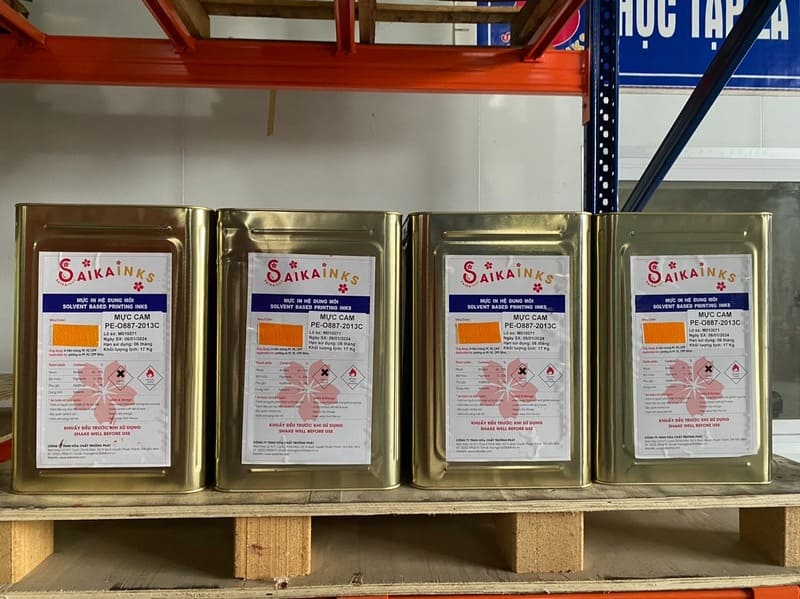
Check Ink Color
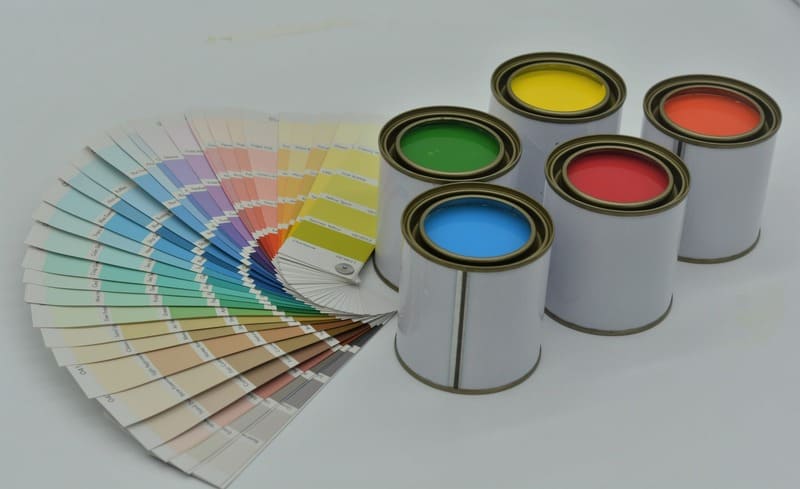
Accurate color mixing is crucial to ensure that the printed packaging matches the original design. When using multiple colors for packaging, you will need to combine the primary colors—cyan, magenta, yellow, and black—to achieve the desired shade. Ink manufacturers usually provide color charts for reference, allowing you to mix inks precisely. Checking the color is an essential step, especially for packaging that requires sharpness and high color accuracy.
Mix Ink with Solvent (if needed)
Packaging inks often have a certain viscosity, and sometimes a solvent needs to be added to adjust the ink’s flow for the printing machine. Solvents help thin the ink without affecting color durability or quality. However, it is important to follow the dilution ratio recommended by the ink manufacturer, as adding too much solvent can make the ink too thin, reducing adhesion to the packaging surface. Each type of ink usually has a corresponding solvent optimized for its printing process.
Mix the Ink Thoroughly
After adding the solvent, mix the ink thoroughly to ensure it is homogeneous and free of clumps. Proper mixing is crucial because uneven ink can cause printing issues, such as smudging, uneven coverage, or color inconsistencies. For large quantities of ink, using a mechanical mixer is an effective and efficient method. For smaller batches, manual stirring is acceptable, but care must be taken to mix evenly and avoid air bubbles. Once the ink is well mixed, you can proceed to the next steps of the printing process.
Check Viscosity and Coverage
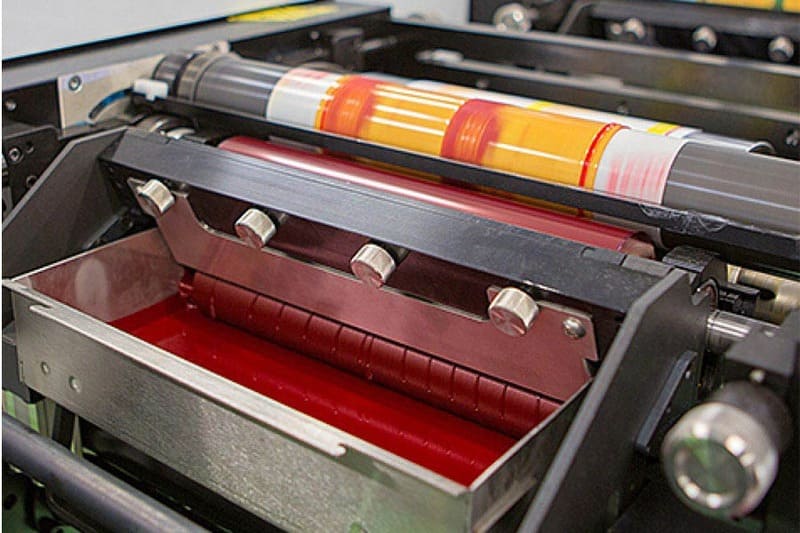
Before loading the ink into the printer, you need to check its viscosity to ensure it flows properly. Viscosity directly affects the ink transfer onto the packaging surface. If the ink is too thick or too thin, the printing results will not meet expectations. Tools such as a rheometer or a viscosity cup can be used to measure viscosity accurately. Additionally, test the ink’s coverage by printing a sample on the packaging material to ensure even coating without gaps or uneven areas.
Load Ink into the Printer
Once the ink meets the required viscosity and color standards, it can be loaded into the printing system. Before printing, make sure the printer has been thoroughly cleaned and free from any residual ink. Loading the ink should be done carefully to avoid contamination or mixing with other inks. During the printing process, regularly check the ink level to prevent shortages or uneven distribution, as these issues can affect the quality of the final product.
Notes When Mixing Ink
Choosing high-quality ink that is suitable for the packaging requirements is essential to achieve the best printing results. When printing on food packaging, it is crucial to ensure that the ink meets food safety standards to avoid any harm to consumers. Make sure the printer is cleaned regularly to prevent clogging or accumulation of ink residues, which can reduce printing efficiency. Additionally, regularly checking the ink during the printing process allows you to detect potential issues early and make necessary adjustments.
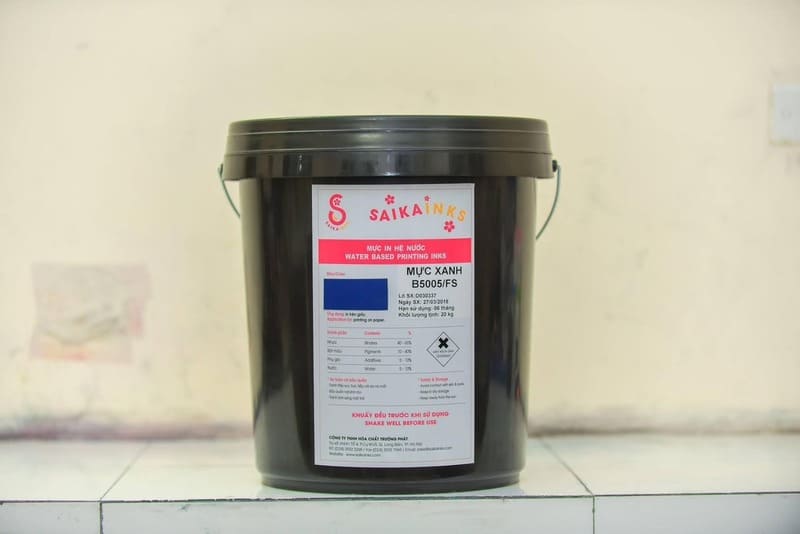
Proper mixing of packaging ink is a crucial factor to ensure print quality and the durability of the packaging. By following precise ink mixing steps and choosing the right chemicals, you can achieve perfect printing results. To support you in this process, don’t forget to choose Truong Phat Chemicals – a reliable partner providing high-quality ink mixing chemicals to help optimize your printing operations!
TRUONG PHAT CHEMICAL COMPANY LIMITED
- Website: https://saika.com.vn/
- Hotline: 0222 3903 619
- Email: Truongphat2006@Vnn.Vn
- Head Office: Group 4, Cu Khoi Ward, Long Bien District, Hanoi City, Vietnam
- Factory: Lot A17, Ha Man Tri Qua Industrial Cluster, Thuan Thanh, Bac Ninh, Vietnam

