


Are you looking to understand what paint thinners are and their role in the painting process? Paint thinners not only help adjust paint viscosity but also improve application and the quality of the paint finish. Read the article by Truong Phat Chemicals to learn more about paint thinners and how to choose the right one.
What is a Paint Thinner?
A paint thinner is a liquid used to dissolve or dilute paint, helping to adjust its viscosity and making it easier to apply. Paint thinners can be organic compounds such as gasoline, toluene, or acetone, or water-based solvents, depending on the type of paint being used. Additionally, thinners help paint dry faster and improve its adhesion to the surface.
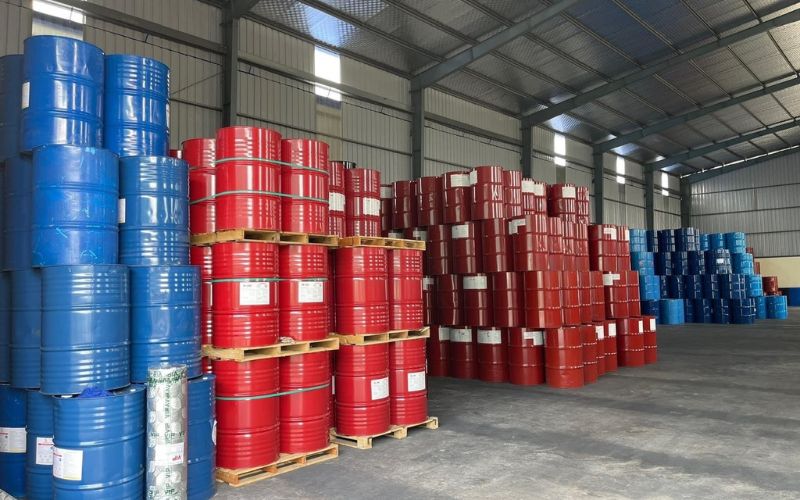
What Are Paint Thinners Used For?
Paint thinners are primarily used to adjust the viscosity of paint, making it easier to apply, especially when brushing, spraying, or rolling paint onto surfaces. In addition, thinners help dissolve paint components, ensuring a uniform mixture and improving the paint’s drying time after application. They also assist in cleaning painting tools such as brushes, rollers, and spray guns after use.
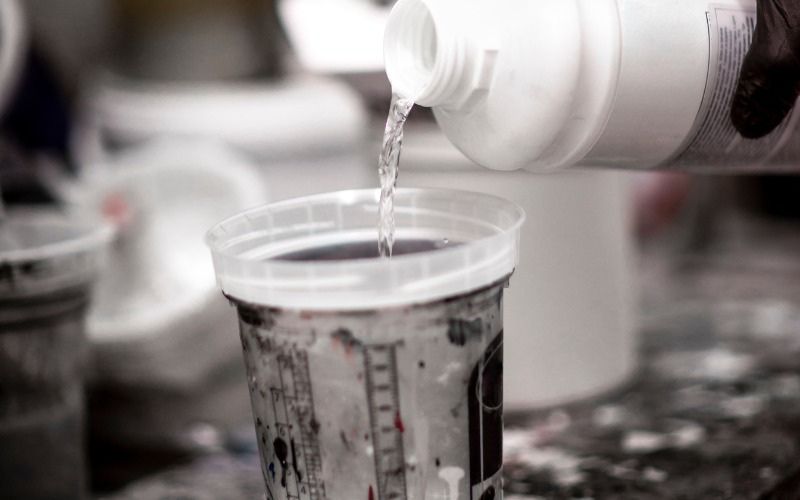
Characteristics of Paint Thinners
Paint thinners play a crucial role in creating a uniform paint mixture, making application easier, and ensuring a high-quality finish. Choosing the right thinner directly affects paint adhesion, smoothness, and durability. The following are the key characteristics of paint thinners:
Chemical Properties
One of the important characteristics of paint thinners is their chemical properties, as some solvents can react with each other, affecting the quality of the paint. If a thinner contains components that can react with ingredients in the paint, unwanted effects may occur during mixing, such as settling, clumping, color changes, or the formation of foreign substances. This can reduce the quality of the paint mixture and negatively impact the application, resulting in an uneven or unsightly finish.
Solubility
The solubility of a solvent is a key factor affecting its ability to dissolve paint components. Each type of paint has a different solubility with solvents. If a solvent has low solubility, the paint mixture may not dilute properly, forming emulsions that lead to air bubbles, clumping, or uneven surfaces, resulting in an unattractive finish. This can make paint application difficult and reduce coating quality.
Purity
Another important characteristic of paint thinners is their purity. On the market today, many solvents are of unknown origin or contain impurities, which can reduce paint quality after mixing. Impurities may dull the paint’s gloss, alter color consistency, or prevent proper adhesion to the surface. When spraying, low-quality solvents can create air bubbles or wrinkles in the paint film, negatively affecting the finished result.
Density
The density of a solvent directly affects its evaporation rate, which in turn influences drying time and the gloss of the paint layer. High-density solvents usually help paint dry faster, but improper use can cause the paint film to peel or trap air bubbles, especially in high-temperature environments. Conversely, low-density solvents slow down drying, leading to uneven gloss and reduced coating quality.
Polarity
Paint thinners are generally classified as polar or non-polar solvents. The polarity of a solvent determines its ability to dissolve substances in paint. Polar solvents dissolve polar compounds (such as water or highly polar substances), while non-polar solvents dissolve non-polar compounds (such as oils or resins). Choosing a solvent compatible with the paint components is essential to ensure proper dilution and effective application.
Important Notes When Using Paint Thinners
When using paint thinners, there are several important considerations to ensure paint quality and safety during application:
- Choose the Right Solvent: Use the appropriate solvent for each type of paint to achieve the best results and avoid unwanted chemical reactions.
- Ensure Purity: Select high-quality solvents free from impurities to prevent adverse effects on paint color and adhesion.
- Safety Precautions: Work in a well-ventilated area and use protective equipment such as masks, gloves, and safety goggles to safeguard health.
- Proper Storage: Store solvents in a dry, cool place, away from heat sources and open flames.
- Follow Mixing Ratios: Mix solvents according to the recommended ratios to ensure the paint is neither too thin nor too thick, maintaining adhesion and durability.
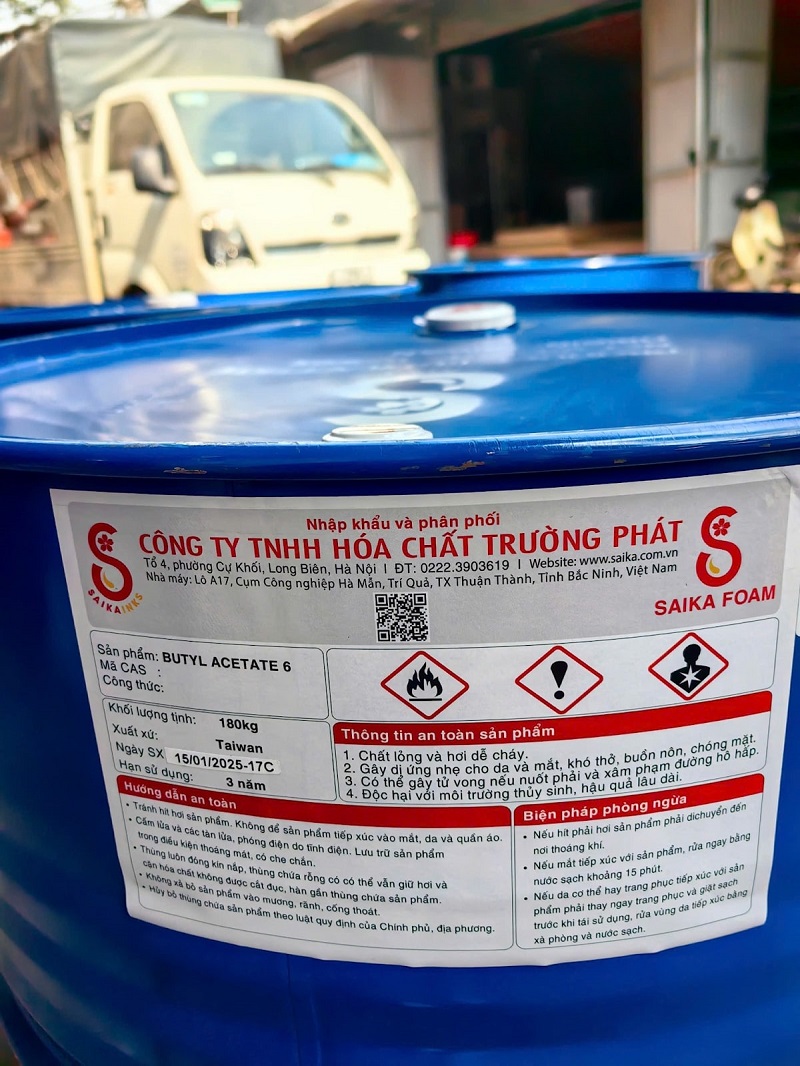
Purchase High-Quality Ready-to-Use Paint Thinners at Truong Phat Chemicals
Truong Phat Chemicals Co., Ltd – SAIKA proudly provides high-quality ready-to-use paint thinners under the SAIKA brand. Our products include solvents such as Butyl 4, Butyl 5, SolventC, Thinner 1, and Thinner 09. These solvents are made from imported, high-quality raw materials, ensuring stability and high efficiency during paint mixing, delivering optimal application results and cost savings. Choose Truong Phat Chemicals for the right paint thinner for your project, with reasonable prices and dedicated customer support!
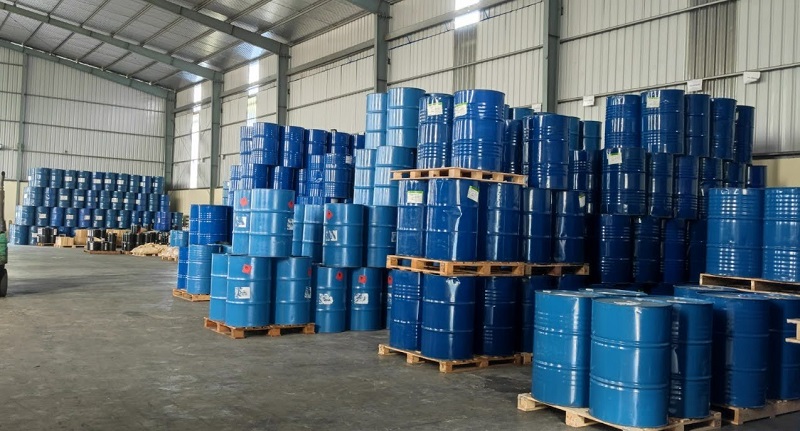
We hope this article has helped you better understand what paint thinners areand their role in the painting process. Choosing the right solvent will help achieve a smooth, durable finish while saving time. Consider high-quality paint thinners from Truong Phat Chemicals to ensure the success of your project!
TRUONG PHAT CHEMICAL COMPANY LIMITED
- Website: https://saika.com.vn/
- Hotline: 0222 3903 619
- Email: Truongphat2006@Vnn.Vn
- Head Office: Group 4, Cu Khoi Ward, Long Bien District, Hanoi City, Vietnam
- Factory: Lot A17, Ha Man Tri Qua Industrial Cluster, Thuan Thanh, Bac Ninh, Vietnam

